
How Does Aeration Improve Turf Health?
Published:
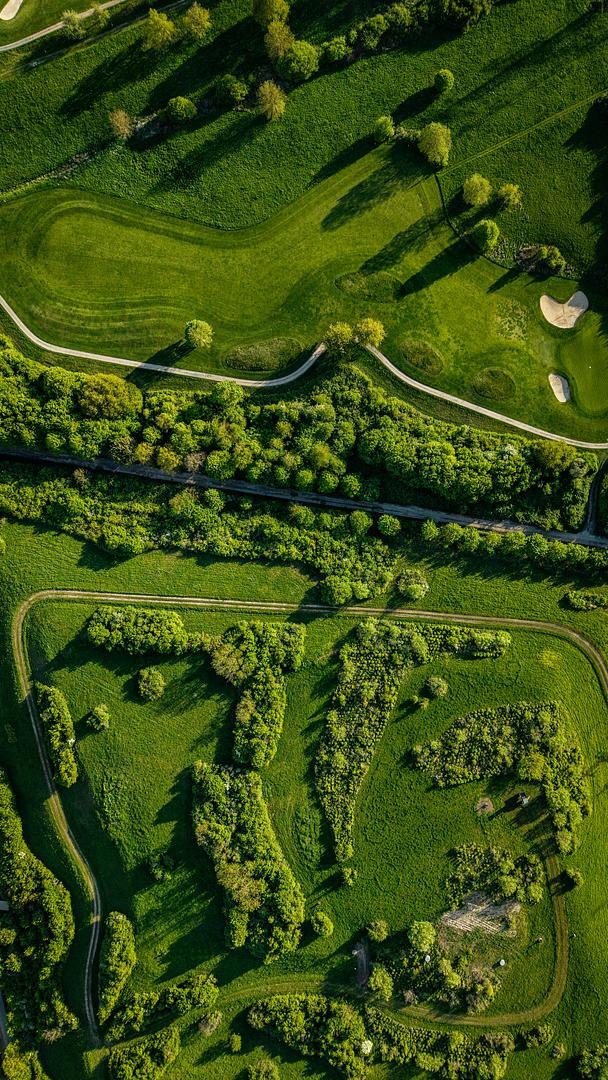
Healthy turf is essential for maintaining beautiful golf courses, sports fields, and landscaped areas. However, even well-maintained grass can struggle when soil becomes compacted and roots cannot access the air, water, and nutrients they need.
Aeration is one of the most effective ways to improve soil conditions and encourage stronger, healthier turf.
1. Reduces Soil Compaction
Golf courses experience constant traffic from maintenance equipment, golf carts, and foot traffic. Over time, this pressure compacts the soil, making it difficult for grass roots to grow.
Aeration creates openings in the soil, helping relieve compaction and allowing roots to develop more freely.
2. Improves Water Absorption
Compacted soil can prevent water from penetrating the ground properly, leading to runoff, puddling, and dry areas.
Aeration improves water infiltration, allowing moisture to reach the root zone more effectively. This helps promote healthier turf and can improve irrigation efficiency.
3. Allows More Oxygen to Reach the Roots
Grass roots need oxygen to grow and function properly. When soil becomes compacted, the amount of air available in the root zone decreases.
Aeration improves air exchange within the soil, supporting healthier root development and overall turf growth.
4. Helps Nutrients Reach the Root Zone
Fertilizers and other nutrients are most beneficial when they reach the areas where grass roots can absorb them.
Aeration can improve the movement of water and dissolved nutrients into the soil, helping turf make better use of fertilizer applications.
5. Encourages Stronger Root Growth
A healthy root system is the foundation of strong turf.
By reducing compaction and improving soil conditions, aeration encourages roots to grow deeper and spread more effectively. Stronger roots help grass withstand heat, drought, and everyday wear.
6. Helps Manage Thatch Buildup
Thatch is a layer of organic material that accumulates between the grass and soil surface. Excessive thatch can interfere with water movement and create unfavorable growing conditions.
Core aeration, particularly when combined with appropriate topdressing and other cultural practices, can help manage thatch and improve the growing environment.
How Often Should Golf Course Turf Be Aerated?
Aeration frequency depends on soil type, turf species, traffic levels, and overall course conditions.
High-traffic areas and heavily compacted greens may require more frequent aeration, while other areas may need less attention.
Golf course superintendents should develop an aeration schedule based on turf conditions, seasonal growth patterns, and maintenance goals.
Choosing the Right Aeration Equipment
Using the proper equipment is important for achieving effective results.
Core aerators remove small plugs of soil to help relieve compaction, while solid-tine aerators create openings with less surface disruption. The best choice depends on the condition of the turf and the desired results.
Well-maintained aeration equipment helps golf courses achieve consistent results while minimizing unnecessary turf damage.
Final Thoughts
Aeration plays an important role in maintaining healthy, resilient turf. By improving soil conditions, encouraging stronger roots, and allowing water and oxygen to move more effectively through the root zone, aeration helps golf courses maintain better playing surfaces throughout the year.
Looking for Quality Used Aeration Equipment?
At Statewide Turf Equipment, we have over 30 years of experience selling quality used golf course and turf maintenance equipment. We offer a selection of used aerators, mowers, and other equipment to help golf courses maintain healthy turf while keeping equipment costs under control.
Visit www.statewideturfequipment.com or contact us at info@statewideturf.com or 941-915-8783 to learn more about our available equipment.
Photo by Bernd 📷 Dittrich on Unsplash