
What Should Be Included in a Daily Golf Course Equipment Inspection?
Published:
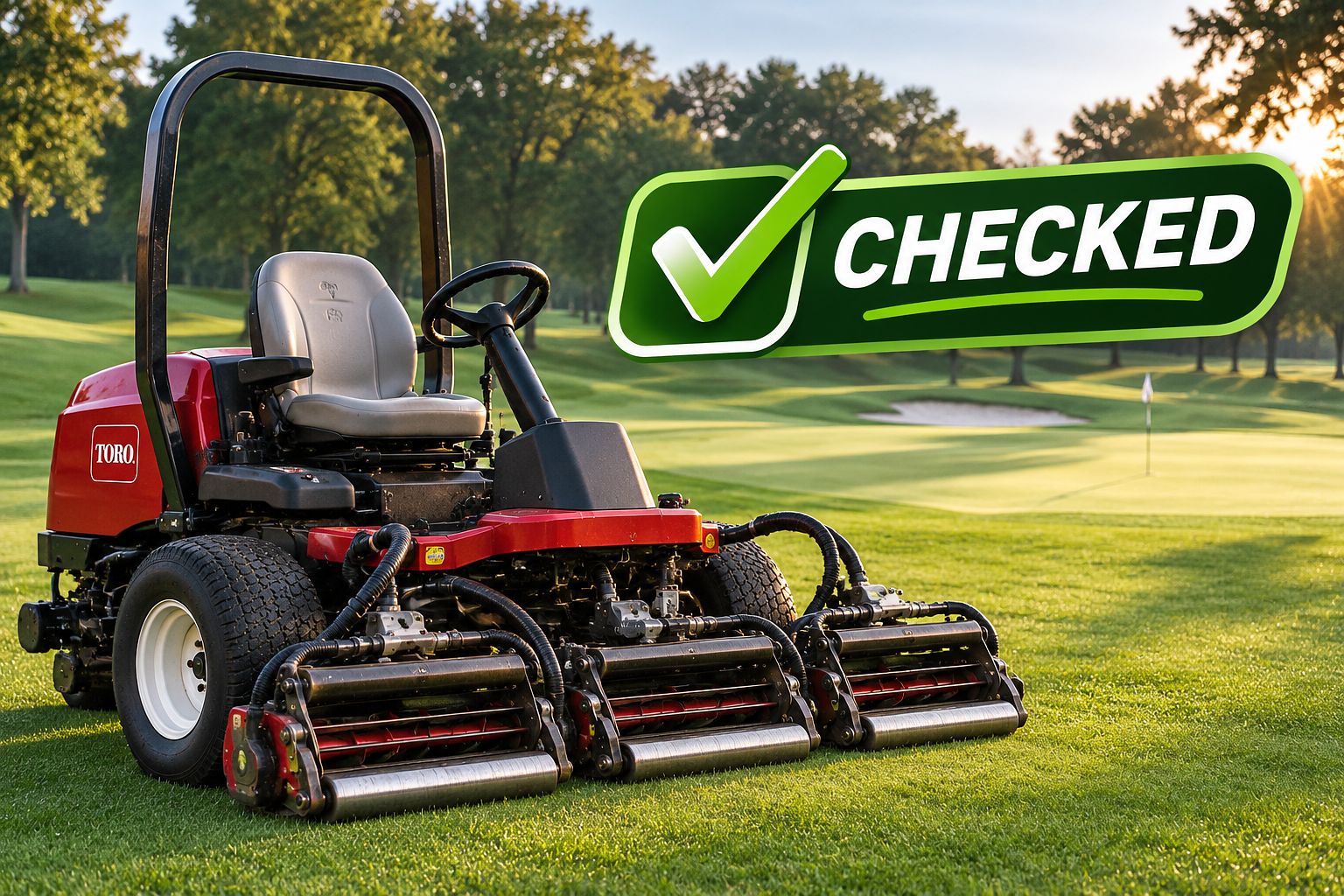
A daily golf course equipment inspection is one of the simplest and most effective ways to prevent unexpected breakdowns, reduce repair costs, improve operator safety, and extend the life of your turf maintenance equipment.
Taking just a few minutes before operating a machine can help identify minor problems before they become expensive repairs or disrupt daily course maintenance.
1. Check Fluid Levels
Before starting equipment, operators should check:
- Engine oil
- Hydraulic fluid
- Coolant
- Fuel levels
- Signs of oil, fuel or hydraulic fluid leaks
Maintaining proper fluid levels according to the manufacturer's recommendations helps prevent overheating, engine damage and hydraulic system failures. Always check coolant when the engine is cool.
2. Inspect Tires and Wheels
Check tire pressure, tire condition and wheel security. Incorrect tire pressure can affect cutting quality, machine stability and weight distribution, potentially causing unnecessary damage to turf.
3. Inspect Cutting Units
For greens mowers, fairway mowers and rotary mowers, operators should inspect:
- Reel and bedknife condition
- Rotary blade condition
- Height of cut settings
- Rollers and bearings
- Grass buildup and debris
- Loose or damaged components
Always shut down and secure the machine before inspecting cutting components. Poorly maintained cutting units can result in uneven cutting, turf damage and reduced playing quality.
4. Check Safety Features and Controls
Ensure that all essential safety features are functioning correctly, including:
- Brakes and parking brake
- Steering
- Operator presence switches
- Safety interlock systems
- Guards and protective shields
- Rollover protection and seat belts, where fitted
Equipment with defective safety features should be removed from service until repaired.
5. Inspect Hoses, Belts and Electrical Components
Look for cracked hydraulic hoses, worn belts, loose wiring and damaged battery connections. Identifying these issues early can help prevent costly mechanical failures and unexpected downtime.
Never use your hands to check for pressurized hydraulic leaks.
6. Check Air Intakes and Cooling Systems
Grass clippings, dust and debris can restrict airflow and cause equipment to overheat. Inspect radiator screens, cooling fins and air filter indicators, and clean them as recommended by the manufacturer.
This is particularly important during hot weather and periods of heavy equipment use.
7. Monitor Equipment Performance
Once the machine has been started safely, operators should pay attention to:
- Unusual noises or vibrations
- Warning lights
- Excessive smoke
- Difficulty starting
- Poor cutting performance
- Reduced engine or hydraulic power
Any unusual operating conditions should be reported to the equipment manager or mechanic.
8. Record and Report Inspection Findings
Every golf course should have a daily equipment inspection checklist. Recording machine hours, operator names, inspection findings and maintenance concerns helps equipment managers identify recurring problems and plan preventative maintenance more effectively.
Why Are Daily Golf Course Equipment Inspections Important?
Regular inspections provide several long-term benefits:
- Reduced equipment downtime
- Lower maintenance and repair costs
- Improved operator safety
- Consistent cutting quality
- Extended equipment lifespan
- Better equipment resale value
Whether your golf course operates new or used turf equipment, establishing a consistent daily inspection routine is an important part of protecting your investment.
How Statewide Turf Equipment Can Help
At Statewide Turf Equipment, we have been selling used golf course and turf maintenance equipment for over 30 years. We supply equipment from leading manufacturers, including Toro, John Deere and Jacobsen, to golf courses, municipalities and turf professionals nationwide and internationally.
Visit our website to explore our current inventory.
Website: www.statewideturfequipment.com
Email: info@statewideturf.com